

Our journey: Creating a craft-based business from home!
- Rebecca
- Jan 24
- 3 min read
Starting a craft-based business from home felt like stepping into unknown territory. I had a passion for creating unique items, especially personalised wedding gifts, but turning that passion into a thriving business required more than just creativity. I want to share how I worked out who my target market was, chose the right products, and built a brand that connects with customers. If you’re thinking about launching your own craft business, this story will give you practical steps and insights to get started.

Finding the right customers
The first challenge was understanding who would want to buy my crafts. I started by thinking about the occasions where personalised items make a difference. Weddings stood out immediately. Couples want something special that reflects their style, so personalised wedding gifts, wedding table plans, and wedding invitations were natural choices.
To narrow down my target market, I asked:
Who are the people planning weddings in my area?
What styles and themes are popular with them?
Where do they look for wedding supplies?
I found that many couples preferred handmade, unique items that felt personal and meaningful. They often searched online but also valued local artisans. This helped me focus on creating products that fit those needs and deciding where to promote my business.
Choosing products that sell
Once I understood my audience, I had to decide what to make. I wanted to offer a mix of items that could appeal to different tastes but still fit my skills and resources. Here’s how I approached it:
Start small and test: I began with a few key products like personalised wedding gifts and wedding table plans. This let me see what customers liked without overwhelming myself.
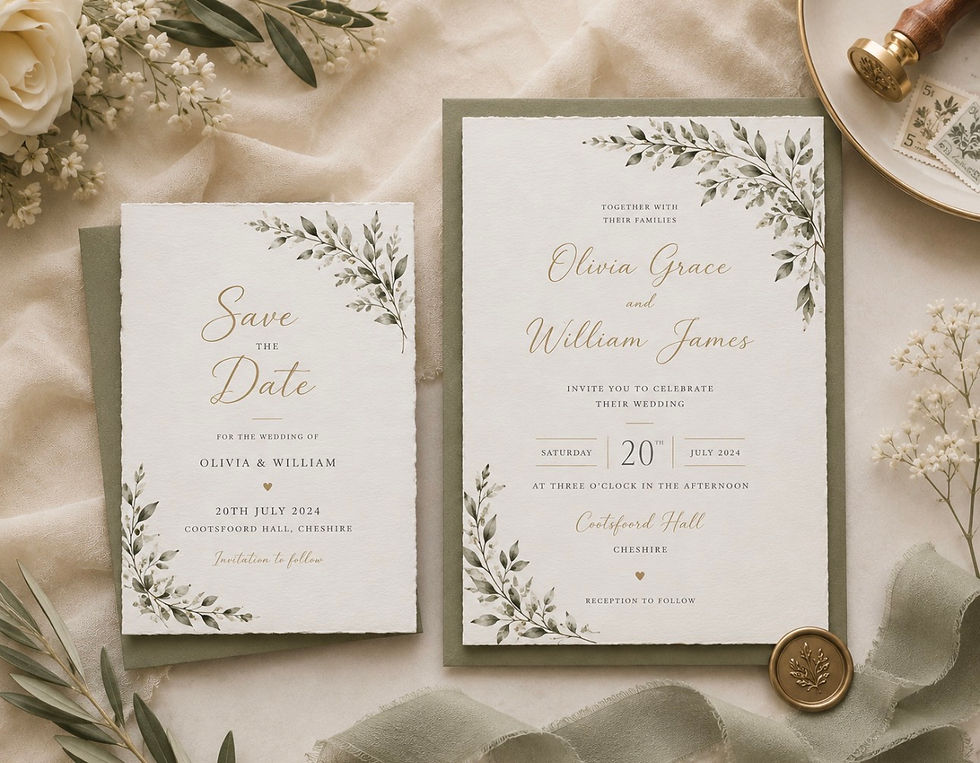
Focus on quality and uniqueness: Each item had to feel special. For example, I used hand-painted designs on wedding invitations and custom calligraphy on table plans.
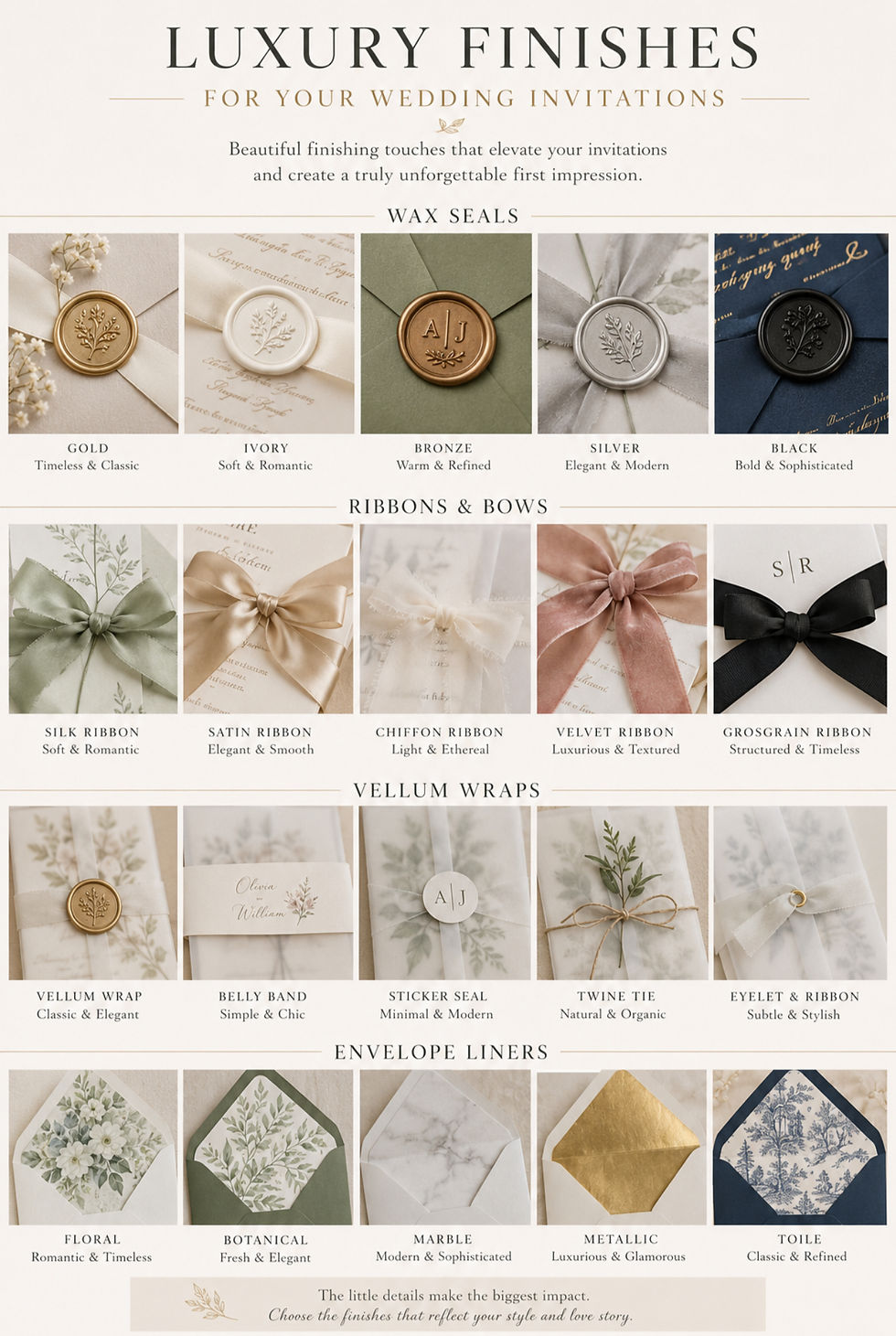
Offer customization: Personalisation was a big selling point. Couples could choose colors, fonts, and wording to match their wedding theme.
Keep production manageable: I avoided products that required expensive tools or long production times. This helped me keep costs down and deliver on time.
By listening to customer feedback and tracking sales, I gradually expanded the range to include matching thank-you cards and keepsake boxes.
Building a brand that tells a story
Creating a brand was more than just picking a name and logo. I wanted my brand to reflect the care and creativity behind every product. Here’s what helped me build a strong identity:
Choose a meaningful name: I picked a name that felt warm and personal, something that would resonate with couples looking for heartfelt gifts.
Design a simple, elegant logo: The logo uses soft colors and a handwritten font to suggest craftsmanship and friendliness.
Create a consistent style: From packaging to social media posts, I kept colors and fonts consistent. This made the brand recognizable and trustworthy.
Share the story: I talked about why I started the business and what inspires my designs. Sharing behind-the-scenes photos and stories helped customers connect with the brand on a personal level.

Practical tips for starting your own craft business
If you’re ready to start your own craft business, here are some practical steps based on my experience:
Research your market: Understand who your customers are and what they want. Use surveys, social media, and local events to gather insights.
Start with a focused product line: Don’t try to do everything at once. Pick a few products that showcase your skills and appeal to your audience.
Keep costs low: Use materials you already have or can buy affordably. Avoid expensive equipment until you’re sure the business will grow.
Build your brand gradually: Focus on creating a consistent look and sharing your story. Authenticity attracts loyal customers.
Use feedback to improve: Listen to what customers say about your products and service. Adapt your offerings based on their needs.
Plan your workspace: Organize a dedicated area at home where you can work efficiently and keep supplies handy.
Manage your time: Balance crafting with other responsibilities by setting a schedule and realistic goals.
Growing with confidence
Starting a craft business from home is a journey filled with learning and creativity. By focusing on personalised wedding gifts and related items like wedding table plans and wedding invitations, I found a niche that matched my passion and skills. Building a brand that tells a story helped me connect with customers who value handmade, meaningful products.
If you’re ready to take the first step, start by exploring your own interests and the needs of your community. With patience and focus, you can turn your craft into a business that brings joy to others and fulfillment to you.

Comments